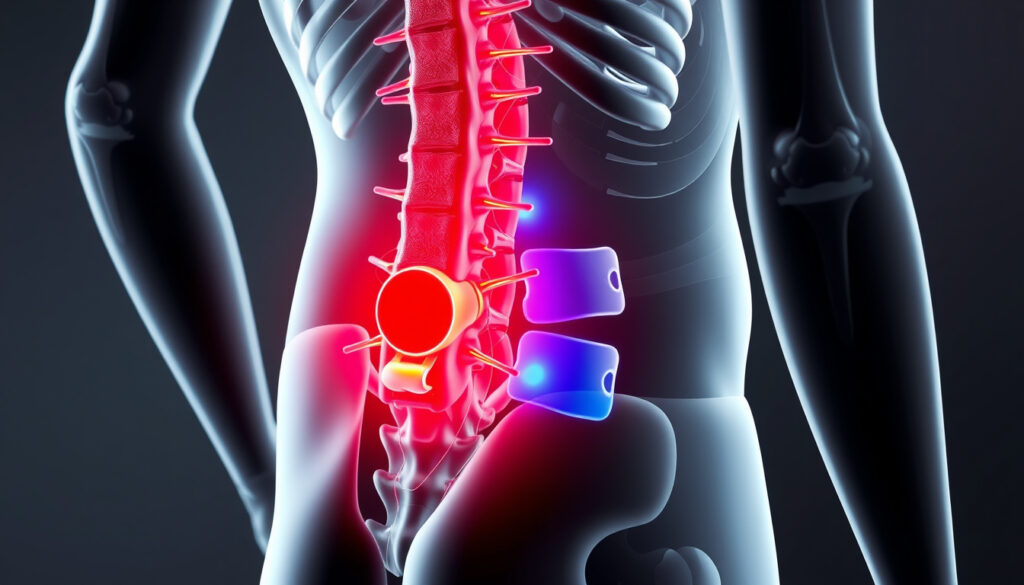
Herniated Disk Symptoms – Pain, Numbness, Weakness Signs
A herniated disk occurs when the soft cushioning material between spinal vertebrae pushes through a tear in its outer layer. This condition, also referred to as a slipped, ruptured, or bulging disk, can press against nearby nerves and cause significant discomfort. Understanding the range of herniated disk symptoms helps individuals recognize when professional evaluation may be necessary.
Symptoms vary considerably depending on whether the affected disk is located in the lower back or neck, and whether the disk is pressing on a nerve. Some people experience sharp, radiating pain, while others may notice numbness, tingling, or muscle weakness in their extremities. The pain often intensifies with specific movements, coughing, or sneezing.
This guide provides a comprehensive overview of herniated disk symptoms organized by location, severity, and progression, along with guidance on when medical attention becomes necessary.
What Are the Common Symptoms of a Herniated Disk?
Herniated disk symptoms typically involve some combination of localized pain, radiating discomfort, and neurological changes. The specific presentation depends largely on which area of the spine is affected and whether nerve compression has occurred.
Sharp, burning, or electric-shock sensations that may radiate from the spine into the limbs
Lower back (lumbar), neck (cervical), buttocks, thighs, calves, shoulders, and arms
Numbness, tingling (pins-and-needles), muscle weakness, and impaired reflexes
Loss of bowel or bladder control, saddle numbness, or progressive weakness
According to the Mayo Clinic, the pain often worsens with coughing, sneezing, bending, twisting, or maintaining certain positions. Many patients report that symptoms feel worse at night or when lying down.
Key insights about herniated disk symptoms include:
- Most herniated disks respond well to conservative treatment and do not require surgery
- Not everyone with a herniated disk experiences pain; some have no symptoms at all
- The character of pain—whether sharp, burning, dull, or throbbing—often indicates nerve involvement
- Symptoms typically affect only one side of the body
- Age-related disk degeneration is a common underlying cause
- Early intervention often leads to better outcomes
- Home care measures like gentle movement and ice/heat therapy can provide relief
| Symptom | Location | Severity |
|---|---|---|
| Localized back/neck pain | Spine area | Mild to severe |
| Radiating arm pain | Shoulders, arms, hands | Moderate to severe |
| Radiating leg pain (sciatica) | Buttocks, thighs, calves, feet | Moderate to severe |
| Numbness or tingling | Extremities | Mild to moderate |
| Muscle weakness | Affected limb | Moderate |
| Reflex changes | Ankles, knees | Mild |
| Muscle spasms | Back muscles | Mild to moderate |
| Bowel/bladder dysfunction | Pelvic region | Severe (emergency) |
Herniated Disk Symptoms by Location: Back, Neck, Leg, and Arm
The symptoms of a herniated disk differ significantly depending on whether the problem occurs in the lumbar (lower back) or cervical (neck) region of the spine. Each location produces distinct patterns of discomfort that help healthcare providers identify the affected area.
Lumbar Herniated Disk Symptoms
A herniated disk in the lower back is the most common form of this condition. The Cleveland Clinic notes that lumbar disk herniations typically cause pain that radiates from the lower back into the buttocks, thigh, calf, and sometimes the foot. This radiating pain often follows the path of the sciatic nerve, producing what is commonly called sciatica.
Patients with lumbar herniations frequently describe:
- Lower back pain that may be dull or achy at its source
- Sharp, burning, or shooting pain down one leg
- Foot pain or weakness, sometimes called foot drop
- Numbness or tingling in the foot or toes
- Difficulty lifting the front part of the foot
- Poor reflexes at the knee or ankle
- Pain that worsens when sitting for prolonged periods
Cervical Herniated Disk Symptoms
When a disk herniates in the neck region, symptoms typically affect the shoulders, arms, and hands. According to University of Utah Health, cervical herniations can cause significant discomfort that follows nerve pathways from the neck down through the upper extremities.
Both lumbar and cervical herniated disk symptoms often intensify with specific movements. Bending forward, twisting the spine, coughing, or sneezing can all exacerbate pain by increasing pressure on the affected nerve root. Many patients find that maintaining a neutral spine position provides the most relief.
Common cervical herniated disk symptoms include:
- Neck pain, particularly in the back and sides
- Shoulder pain radiating along the arm
- Numbness or tingling in the arms, hands, or fingers
- Weakness in the shoulder, arm, or hand muscles
- Difficulty gripping objects or performing fine motor tasks
- Pain that worsens when looking up or turning the head
Distinguishing Arm Pain from Leg Pain
The pattern of symptoms helps differentiate between cervical and lumbar involvement. Arm pain from a cervical herniation typically affects one arm and may extend from the shoulder to the hand, following specific dermatomes. Leg pain from a lumbar herniation usually travels down the back of the leg and may reach the foot, according to Sports and Pain Management specialists.
Early Signs of a Herniated Disk and When to See a Doctor
Recognizing the early signs of a herniated disk can lead to faster diagnosis and treatment. Initial symptoms often develop gradually and may be mistaken for ordinary muscle strain, which is why understanding the progression matters.
Initial Symptoms and Progression
According to Dr. Gentilem’s clinical observations, many patients first notice a dull ache in their back or neck that persists for days or weeks. This localized pain may then evolve into more intense symptoms as the disk continues to bulge or rupture.
Early warning signs include:
- Dull, persistent back or neck ache
- Pain that worsens with certain movements or positions
- Mild tingling or numbness in an extremity
- Slight weakness when lifting or carrying items
- Pain that radiates after initial localized discomfort
- Stiffness in the affected spinal region
Certain symptoms require immediate medical evaluation. The Hospital for Special Surgery identifies loss of bowel or bladder control, saddle numbness affecting the inner thighs and rectal area, and progressive weakness as indicators of cauda equina syndrome—a medical emergency requiring immediate intervention.
When to Seek Medical Care
The Sciatica emergency signs guide recommends consulting a healthcare provider when symptoms persist beyond four to six weeks, worsen progressively, or significantly interfere with daily activities. Conservative treatments—including rest, physical therapy, and pain management—resolve most herniated disk cases without surgery.
Consider seeing a doctor if you experience:
- Pain lasting more than a few weeks
- Symptoms that gradually worsen rather than improve
- Weakness that affects walking or everyday tasks
- Numbness in the groin or saddle area
- Difficulty with bladder or bowel control
- Pain that does not respond to home treatment
Finding appropriate care is essential for proper diagnosis and treatment. Resources like Doctors Near Me can help locate healthcare providers specializing in spine conditions.
Herniated Disk Symptoms vs. Bulging Disk: Key Differences
Understanding the distinction between a herniated disk and a bulging disk helps set realistic expectations about symptoms and treatment. While these terms are sometimes used interchangeably, they represent different conditions with varying implications.
How the Conditions Differ
The Hospital for Special Surgery explains that a herniated disk involves a tear in the outer layer (annulus fibrosus) that allows the inner gel-like material (nucleus pulposus) to leak out. A bulging disk, by contrast, protrudes outward without rupturing—the outer layer remains intact but extends beyond its normal boundaries.
Not all disk herniations produce symptoms. The Cleveland Clinic notes that both conditions may be asymptomatic when they do not press against nerves. When symptoms do occur, they can be remarkably similar, making imaging studies essential for accurate diagnosis.
Symptom Comparisons
The two conditions can produce identical symptoms when nerve compression occurs. However, herniated disks are generally more likely to cause severe nerve irritation because the leaked material contains inflammatory compounds that directly affect surrounding nerves.
| Characteristic | Herniated Disk | Bulging Disk |
|---|---|---|
| Structure affected | Outer layer torn, material leaks | Outer layer intact, protrudes |
| Nerve irritation risk | Higher due to inflammatory material | Lower, but possible if pressing nerve |
| Symptom severity | Often more intense | May be milder or absent |
| Asymptomatic cases | Common | Very common |
Herniated Disk Symptoms vs. Sciatica
Sciatica refers specifically to pain that travels along the sciatic nerve pathway, which runs from the lower back through the hips and down each leg. The University of Utah Health notes that a herniated disk in the lumbar region is one of the most common causes of sciatica, but sciatica can also result from other conditions such as spinal stenosis or piriformis syndrome.
The key difference lies in whether back pain accompanies the leg symptoms. True sciatica from a herniated disk typically includes localized back pain along with radiating leg pain, while sciatica from other causes may present with leg symptoms alone. For more information on herniated disk symptoms, please visit Cetirizina 10 mg para qué sirve.
Symptom Progression and Timeline
Understanding how herniated disk symptoms typically evolve helps patients gauge their recovery and recognize when intervention may be needed. While individual experiences vary considerably, certain patterns emerge across many cases.
- Onset phase: Symptoms may appear suddenly after a specific injury or develop gradually over time due to age-related wear and tear on spinal disks
- Acute phase: Pain and neurological symptoms peak during the first two to six weeks, often requiring modified activity and pain management
- Recovery phase: Most patients experience gradual improvement within four to twelve weeks with conservative treatment
- Long-term management: Some individuals may have residual weakness or occasional flare-ups requiring ongoing attention
- Surgical consideration: If significant weakness or intractable pain persists after conservative measures, surgical options may be discussed
Research indicates that the majority of herniated disk cases improve with conservative treatment within three months. The Mayo Clinic reports that surgery is necessary in fewer than 10% of cases when symptoms fail to respond to non-surgical approaches.
What We Know and What Remains Uncertain
Medical science has established a solid understanding of herniated disk symptoms and their typical presentation, though some aspects of the condition continue to be studied.
| Established Information | Areas of Uncertainty |
|---|---|
| Herniated disks cause radiating pain, numbness, and weakness when pressing on nerves | Exact reasons why some herniations cause severe pain while others are painless |
| Most cases resolve with conservative treatment within weeks to months | Predicting which patients will develop chronic symptoms |
| Imaging can identify herniated disks but correlation with symptoms is variable | Role of inflammation in symptom severity versus mechanical compression |
| Red flag symptoms like bowel/bladder dysfunction require emergency evaluation | Optimal rehabilitation protocols for preventing recurrence |
Causes and Risk Factors Behind Herniated Disk Symptoms
Herniated disks typically result from a combination of factors that weaken the spinal disks over time. Age-related degeneration is the most common underlying cause, as the water content in disks gradually decreases, making them less flexible and more prone to tearing.
Several factors increase the likelihood of disk herniation. Repetitive physical stress from occupations or activities that involve heavy lifting, bending, or twisting places increased strain on spinal disks. Obesity adds extra pressure to the lower back, while genetic predisposition may influence disk health in some families.
Poor posture, smoking, and sedentary lifestyles also contribute to disk deterioration. The Core Orthopaedic Sports Medicine specialists note that sudden trauma can trigger herniation, but many cases develop gradually without a clear precipitating event.
Maintaining a healthy weight, staying physically active, and using proper body mechanics when lifting can help reduce the risk of disk problems. Core strengthening exercises and ergonomic adjustments at workstations also provide protective benefits for spinal health.
Expert Perspectives and Medical Sources
Information about herniated disk symptoms comes from multiple authoritative medical sources, including major healthcare institutions and professional organizations specializing in spine care.
“Herniated discs most commonly occur in the lower back (lumbar spine) and can cause pain, numbness, or weakness in the lower body. In the neck (cervical spine), they can cause similar symptoms in the shoulders and arms.”
— Mayo Clinic, Diseases and Conditions: Herniated Disk
“Symptoms of a herniated disc can include dull or sharp pain, muscle spasm or cramping, tingling, numbness, and weakness in the affected area.”
— Cleveland Clinic, Herniated Disc
The American Academy of Orthopaedic Surgeons and the National Institutes of Health also provide comprehensive resources for understanding spinal disk conditions and their management.
Summary
Herniated disk symptoms encompass a wide range of manifestations, from localized back or neck pain to radiating discomfort, numbness, and muscle weakness in the extremities. Symptoms vary by location—lumbar herniations typically affect the legs while cervical herniations impact the arms—and by whether nerve compression occurs.
Most herniated disk cases improve with conservative treatment within several weeks. However, red flag symptoms such as bowel or bladder dysfunction require immediate medical attention. Understanding the difference between herniated and bulging disks, recognizing early warning signs, and knowing when to seek care are essential steps in managing this common spinal condition.
For additional health information and resources, explore related topics such as Weight Loss Tablets for managing weight-related factors that affect spinal health.
Frequently Asked Questions
Can a herniated disc heal on its own?
Yes, many herniated discs improve without surgery. The body can absorb the leaked material over time, typically within several weeks to months with conservative treatment including rest, physical therapy, and pain management.
How do doctors diagnose a herniated disc?
Diagnosis typically involves a physical examination focusing on nerve function, followed by imaging tests such as MRI or CT scans. Sometimes electromyography (EMG) is used to assess nerve conduction.
What makes herniated disk symptoms worse?
Symptoms often worsen with coughing, sneezing, bending forward, twisting the spine, sitting for prolonged periods, and certain sleeping positions that increase pressure on the affected disk.
Is bed rest recommended for herniated disk pain?
Extended bed rest is generally not recommended. Short periods of rest followed by gentle movement and activity modification typically produce better outcomes than prolonged immobilization.
Can exercise help with herniated disk recovery?
Gentle exercises and stretching, often guided by a physical therapist, can promote healing and prevent deconditioning. Core strengthening and low-impact activities are commonly prescribed as recovery progresses.
What does herniated disk pain feel like?
Pain descriptions vary widely and may include sharp, burning, electric-shock sensations, dull aching, or throbbing. Radiating pain often follows nerve pathways and may be accompanied by numbness or tingling.
Does weather affect herniated disk symptoms?
Some patients report increased symptoms during cold, damp weather, though scientific evidence on this connection remains limited. Staying warm and maintaining activity levels during weather changes may help minimize discomfort.
More related posts
 Tobias Menzies: Facial Lines, Dating, Career & Projects
 Tom Hughes Actor: Biography, Relationships, and Career
 Luigi Mangione Case: Murder Charges and Back Condition
 Nico Antic: Shark Attack Victim in Sydney Harbour
 Mal Leyland’s Final Journey: Health, Dementia & Family Update
 Michael Klim: Olympic Champion’s CIDP Battle
 Ellidy Pullin: New Partner, Baby After Husband’s Death
 Jofra Archer Injury 2025: Speed, Net Worth & Personal Life
